Wood Care Guide

Keep your boards, blocks, and utensils beautiful for years to come.

Buy Heartwood Butter →
Daily care basics

Wood is a natural material that responds to moisture, heat, and how you treat it. A little daily attention goes a long way.

1
Wash by hand only
Use warm water and mild dish soap (if needed). Scrub gently with a soft cloth or sponge. Rinse thoroughly to remove all soap residue.
Never put wood in the dishwasher — the heat and prolonged moisture will warp and crack it.
2
Dry immediately and completely
After washing, dry with a clean towel right away. Then stand the board upright or lay it on a rack to allow airflow on all sides. Never lay a wet board flat — water pools on the surface and soaks in.
Always dry both sides evenly to prevent warping.
3
Store in a dry, ventilated spot
Keep boards away from heat sources like stovetops, ovens, and sunny windowsills. Prolonged heat exposure dries out the wood and causes cracking. A dry cabinet or countertop away from the sink is ideal.
4
Condition regularly with Heartwood Butter
Wood needs moisture to stay healthy. Apply Heartwood Butter monthly — or whenever the surface starts to look dry, dull, or lighter in color. Regular conditioning prevents cracking and keeps the grain looking rich.
A well-maintained board will last generations.

How to use Heartwood Butter

Heartwood Butter is our small-batch, food-safe wood conditioner — made by the same youth who build our boards. Here's how to get the most out of it.

1
Start with a clean, dry board
Wash and fully dry your board before applying. Never apply to a wet or damp surface — the butter won't absorb properly and can trap moisture in the wood.
2
Scoop a small amount
A little goes a long way. For a standard charcuterie board, a fingertip-sized scoop is enough for one full application on a standard board. The 1/2 oz jar gives you up to 2 full applications on a large board.
Warm the butter between your fingers first if it feels stiff — it softens quickly with a little body heat.
3
Rub in with the grain
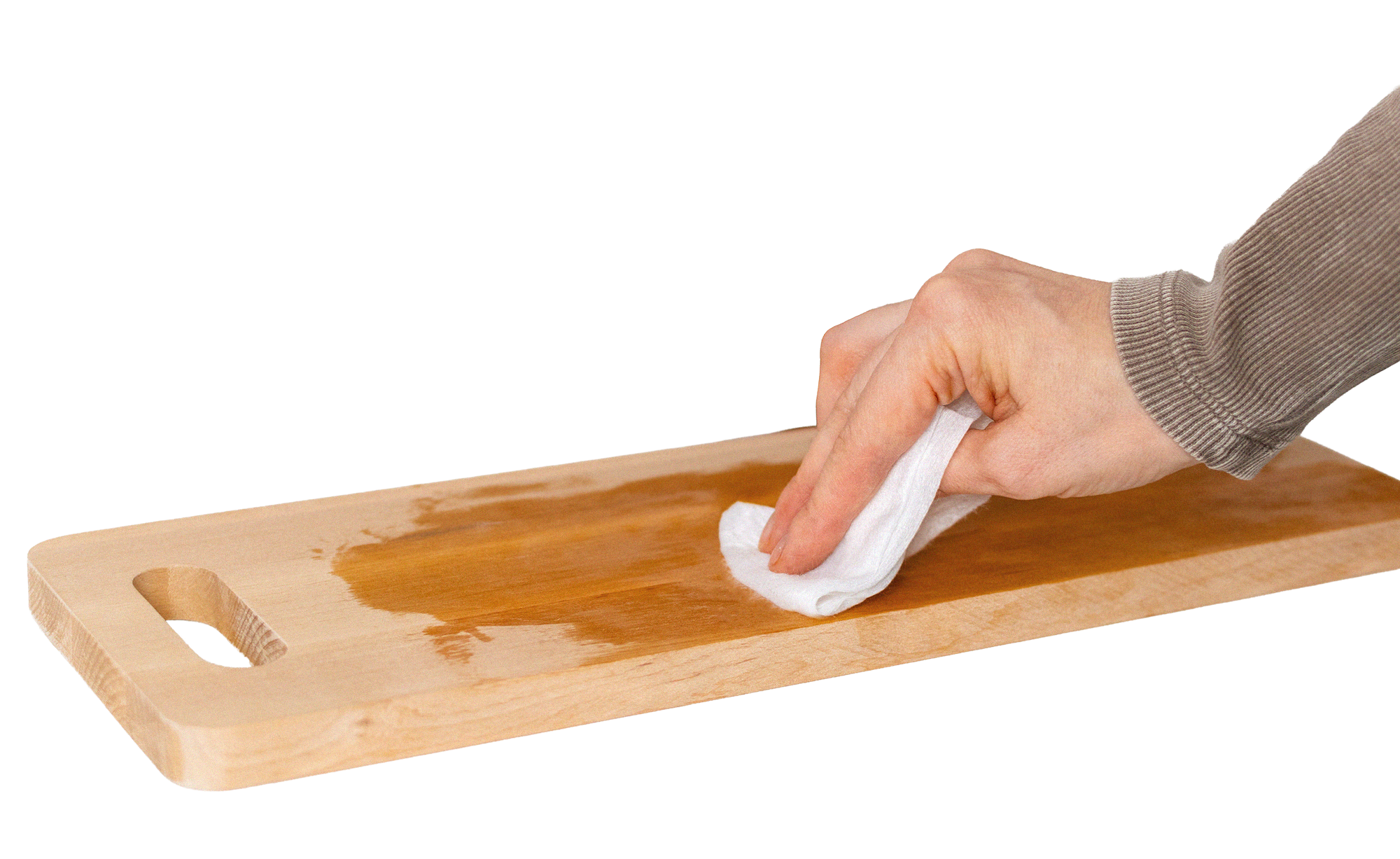
Using your fingers, a soft cloth, or a paper towel, rub the butter into the wood moving with the grain — not against it. Apply to all surfaces including the sides and bottom. Work it in with light circular motions to help it penetrate.
4
Let it soak in — 20 to 30 minutes
Allow the butter to absorb into the wood for at least 20–30 minutes. For a deeply dry or new board, let it sit for a few hours or overnight.
You can apply a second coat after the first has absorbed if the wood still looks thirsty.
5
Buff off any excess
After the butter has soaked in, use a clean dry cloth to buff away any excess. The board should feel smooth and slightly silky — not greasy or tacky. If it feels oily, buff more vigorously.
6
Wait before food contact
Let the board rest for at least one hour before using it with food. Overnight is ideal for new boards or after a heavy conditioning treatment.
Heartwood Butter is 100% food-safe — no petroleum, no harsh chemicals.

Get your Heartwood Butter

Made by youth in our Deeply Ingrained programs. Small-batch, food-safe, and handcrafted in Indianapolis. Every purchase supports free woodworking programs for youth across Central Indiana.

1/2 oz — $8 · ~2 applications 1 oz — $14 · ~4 applications 2 oz — $22 · ~8 applications
Buy Now →

Care schedule

Different situations call for different levels of attention. Here's a quick reference for how often to do what.

Task Frequency Notes
Wash by hand After every use Warm water + mild soap (if needed). Dry immediately.
Apply Heartwood Butter Monthly More often if the board looks dry or dull.
Sand out scratches As needed Use 220-grit sandpaper with the grain, then re-condition.
Remove odors As needed Rub with coarse salt and half a lemon, rinse, dry, condition.
Treat cracks or splits Immediately Deep condition right away to prevent the crack from spreading.

Do's & Don'ts

The most common ways people accidentally damage their wood — and what to do instead.

Do this
  • Wash by hand with warm water and mild soap
  • Dry immediately after washing — both sides
  • Stand upright or use a rack to air dry
  • Condition monthly with a food-safe oil or butter
  • Apply Heartwood Butter to new boards before first use
  • Use both sides of cutting boards to distribute wear evenly
  • Sand lightly with the grain to remove surface scratches
  • Store in a dry, ventilated spot away from heat
  • Use a damp cloth for quick wipe-downs between uses
Don't do this
  • Put wood in the dishwasher — ever
  • Soak or submerge in water
  • Leave wet or damp for extended periods
  • Lay flat to dry — water pools and soaks in
  • Place near stovetops, ovens, or in direct sunlight
  • Use cooking oils like olive oil or vegetable oil — they go rancid
  • Use bleach or harsh chemical cleaners
  • Cut raw meat directly on a charcuterie board used for serving
  • Ignore cracks — condition immediately when they appear

Frequently asked questions

Once a month is a good general rule. A simple test: sprinkle a few drops of water on the surface. If they bead up, you're good. If they soak in quickly, it's time to condition. New boards should be conditioned 2–3 times before first use to thoroughly saturate the wood.
Avoid cooking oils like olive oil, vegetable oil, or coconut oil — they go rancid inside the wood over time, causing bad odors and potential food safety issues. Food-safe mineral oil or a purpose-made board butter like Heartwood Butter is the right choice. Heartwood Butter combines oils and waxes specifically formulated to condition and protect without going rancid.
Don't panic — surface cracks can often be reversed. Apply a generous amount of Heartwood Butter immediately and let it soak in for several hours or overnight. Repeat the next day. For deeper cracks, lightly sand the area with 220-grit sandpaper moving with the grain, then condition heavily. If the crack runs all the way through the board, it may be beyond repair — but most cracks caught early can be saved.
The best natural odor remover for wood is coarse kosher salt and half a lemon. Sprinkle a generous layer of salt on the board, then scrub vigorously with the cut side of the lemon. The salt acts as an abrasive and the lemon juice breaks down odor-causing bacteria. Rinse with warm water, dry immediately, and condition when fully dry.
Yes — completely. Heartwood Butter is made with food-safe ingredients only. No petroleum products, no harsh chemicals, no artificial fragrances. It's safe for all surfaces that come into contact with food including cutting boards, charcuterie boards, wooden spoons, and utensils. We do recommend waiting at least one hour after application before food contact, just to allow full absorption.
Absolutely. Heartwood Butter works great on any unfinished or oiled wood surface — cutting boards, charcuterie boards, wooden spoons and utensils, salad bowls, knife handles, butcher blocks, and wood countertops. Avoid using it on finished, lacquered, or painted wood surfaces.
Minor warping can sometimes be corrected. Dampen the concave (cupped) side lightly with a wet towel, then place the board concave-side down on a flat surface with some weight on top — like a heavy pot or books. Leave it for 24–48 hours. For severe warping, this may not fully correct the issue, but it often helps. To prevent warping in the future, always dry both sides of the board evenly and never leave it sitting in water or moisture.
A well-maintained hardwood board can last decades — even a lifetime. Our walnut charcuterie boards are made from dense, durable wood that gets more beautiful with age when properly cared for. The key is regular conditioning and keeping it dry. Boards that are regularly oiled, hand washed, and stored properly have been known to outlast the people who bought them.
Ready to condition your board?
Pick up a jar of Heartwood Butter from our shop — made by youth, for boards that last.
Shop Heartwood Butter →
Proudly supported by